


In 2008, Kosovo declared its independence, which has not been recognized by Belgrade. The countries of the Western Balkans received a proposal from the European Union last year offering a €6 billion (around $6.5 billion) growth plan, aiming to double the region's economy in the next decade and accelerate its accession process to the European bloc.
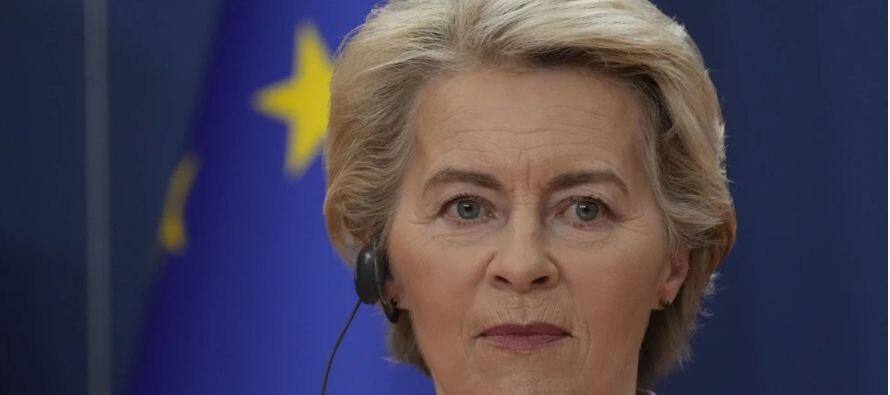
The integration efforts of these countries have been hindered by the slow pace of the process, but Russia's recent invasion of Ukraine in February 2022 has prompted European leaders to push for the incorporation of the six Balkan countries into the EU. European Commission President Ursula von der Leyen visited Kosovo as part of her tour of several Western Balkan countries aspiring to become EU members.
During her visit, Von der Leyen condemned Russia's hybrid attacks on democracies and stated that the EU is working tirelessly to dismantle misinformation. The official pointed out Russia's efforts to destabilize the region's democracies and emphasized the importance of exposing propaganda for the benefit of the entire region.
At a press conference in Pristina, the capital of Kosovo, Von der Leyen highlighted that EU aid is conditioned on reforms that align the economies of the Balkan countries with European standards. The Western Balkan countries are at different stages in their applications to join the European Union.
The President of the European Commission stressed the fight against the hybrid attack led by Russia against democracies in the region and emphasized the importance of transparency, truth, and clear messaging in that context. Kosovo, where she concluded her visit after passing through Serbia, has maintained tensions with its neighbor, especially since NATO's bombing campaign in 1999 to end the war between Serbian forces and Albanian separatists in the region, which resulted in the death of approximately 13,000 people, mainly Albanians.